Residential Interior Design Isn’t Playing It Safe Anymore—It’s Getting Personal

Updated: Sep 9

The most sophisticated home isn’t the one that follows a style; it’s the one that knows who it belongs to. (Now read that again slowly—and let it sink in.)
For years, luxury residential design has leaned toward a certain kind of restraint: quiet palettes, familiar silhouettes, and interiors designed to feel universally beautiful. But something is shifting. Increasingly, homeowners are coming to us with a different question—not What’s in style? but What feels like me?
We’re seeing clients embrace color and pattern, seek out furniture and lighting they haven’t seen everywhere else, and arrive with inspiration that feels deeply personal. They want their homes to feel custom—not simply because something was made for them, but because the overall environment reflects who they are, where they’ve been, and how they want to live.
In many ways, this feels like a natural evolution of luxury. The goal is no longer to have the “right” things. It’s to have the right things for you.

Listen To Your Heart
At Kuchar, we’ve never been particularly interested in playing it safe. Personally, I’m drawn to spaces that make me feel something—to interiors that transport me somewhere, evoke a memory, or create an emotional response.
Our homes are where we spend so much of our time. Why shouldn’t they make us feel something, too?
That emotional connection can come from almost anywhere. It might be a color that recalls a favorite place, an object collected on a meaningful trip, a material that feels familiar, or a piece of art that simply stops you in your tracks. The most compelling interiors are often layered with these seemingly disparate details because, together, they tell the story of the person who lives there.
That’s why the process of personalization begins long before we select a sofa or paint color. We spend time getting to know our clients—their backgrounds, interests, memories, travels, and the things that matter to them. We use conversations, imagery, materials, and product to uncover what resonates. Sometimes the clues are obvious. Sometimes they’re surprisingly subtle.
One client, for example, had a deep connection to the water and spent much of her time near lakes and beaches. Desaturated blues and greens naturally became part of her home—not because they were trending, but because they already belonged to her story.

Think Beyond Beauty
There’s an important distinction between creating a beautiful home and creating a meaningful one.
A room can be beautifully designed according to a particular aesthetic and still feel completely disconnected from the person living in it. That’s the danger of designing toward a prescribed idea of luxury. If everyone is working from the same definition of what sophisticated is supposed to look like, the result can be polished—but interchangeable.
The home with meaning is going to be beautiful to the person who lives there.
That doesn’t mean more is always more. Personalization isn’t an excuse to include every color, pattern, object, or idea that a client loves. In fact, the opposite can be true. The more personal the ingredients, the more important the editing becomes.
We’re seeing more pattern mixing, wallpaper, unusual materials, vintage pieces, sculptural furniture, unexpected combinations, and bold color. But what makes those choices successful is the same thing that makes any good interior successful: a strong point of view and a thoughtful editing process.
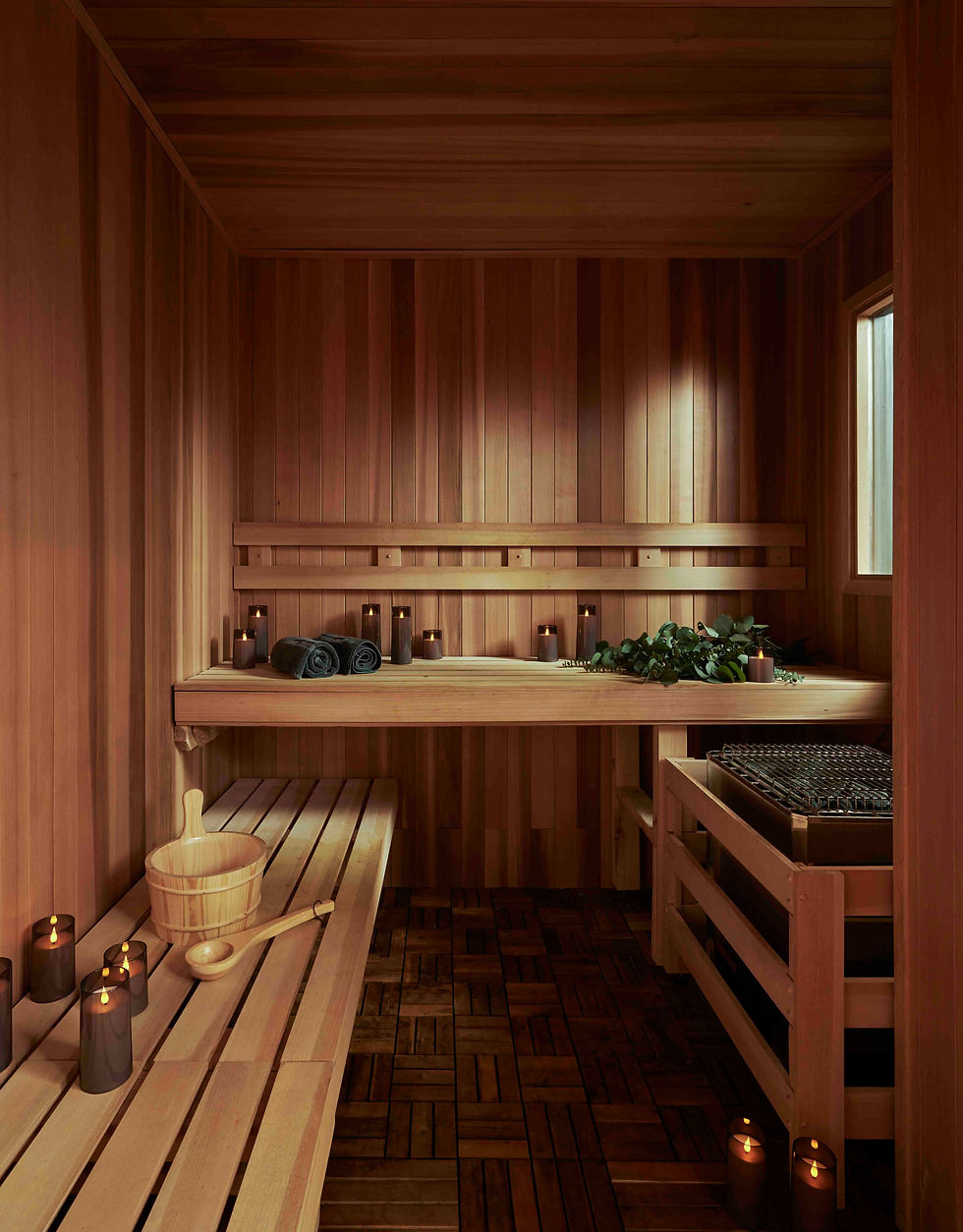
Taking inspiration from various design verticals, we brought hotel-level lighting and functional luxury into a downtown Chicago home.
Adopt a Multidisciplinary Lens
Kuchar’s work across residential, hospitality, retail, workplace, multifamily, and restaurant design gives us a unique perspective on personalization.
In commercial design, we’re constantly thinking about how to create a distinct identity. We work with brands to understand who they are, how they want people to feel, and what makes their experience different. We bring that same thinking into residential design—but instead of creating a space around a business or brand, we’re creating it around a person or family.
Hospitality teaches us about atmosphere and experience. Retail encourages discovery and the unexpected. Workplace design gives us a deeper understanding of how people move, interact, and use space. All of those perspectives inform the way we think about a home.
The goal isn’t to make a residence feel like a hotel or showroom. It’s to draw from all of those experiences to create something that feels considered, layered, and completely appropriate to the way our clients live.

Flex Your POV
That’s also why our projects don’t all look the same.
For a new penthouse project we’re designing in Chicago’s West Loop, getting to know the clients and understanding how they live led us toward a bold mix of color and pattern, custom cabinetry, expressive millwork, curated artwork, and an entirely tailored lighting program. The result will be layered and unexpected, but every decision has a reason for being there—and a connection to the people who will call it home.
A single-family home we recently completed on the North Shore tells an entirely different story. Designed for a young family of five, the home draws on the husband’s English heritage and the architecture of the cottage itself, while introducing the color, whimsy, and playful energy that reflect the family who lives there. It’s cheerful, eclectic, and relaxed—because that’s what felt right for them.
Neither project is an attempt to create a “Kuchar look.” They’re different because the people, places, architecture, and stories are different. And that, to me, is the most exciting shift happening in residential design right now.
Playful use of color, texture, and shape can transform a kid’s bedroom into a space that feels as imaginative and individual as they are.
Design For the Person You Actually Are
If there’s one piece of advice I’d give homeowners, it’s simple: don’t design for the person you think you’re supposed to be. Design for the person you actually are.
Color is one of the easiest places to start. People can be intimidated by it, but paint is relatively low-risk—and it can completely change how a space feels. You don’t have to jump straight to the brightest version of a color. Look at the grayer, more nuanced versions of greens, blues, and other hues. They can bring personality into a room without overwhelming it.
Ultimately, our job as designers isn’t to convince someone to live in a certain style. It’s to listen closely enough to understand what makes them feel at home, then use our experience, resources, and point of view to bring that to life.
We travel. We discover. We work with brands around the world. We’ve built a deep bank of colors, materials, products, and ideas to draw from. But the real value isn’t in how many choices we can offer. It’s in knowing which ones belong to you.


Salve a tutti! Una delle cose che considero più importanti quando si esplorano servizi online è la possibilità di trovare informazioni chiare sulle regole e sulla tutela degli utenti. Ho trovato https://casi-no-mania.com/ mentre cercavo piattaforme di intrattenimento digitale. Prima di creare un account o effettuare pagamenti, consiglierei di leggere attentamente tutte le condizioni e verificare che il servizio sia legittimo e accessibile nella propria zona. Bisogna prestare attenzione anche ai requisiti di età, alla protezione dei dati e alle procedure per gestire eventuali problemi. Se sono previsti giochi con denaro reale, è fondamentale ricordare che le perdite sono possibili e non utilizzare mai il gioco come strategia per risolvere difficoltà finanziarie.
A heritage festival can be an inspiring destination for anyone interested in preserving cultural traditions. Mapquest Directions helps attendees find their way to the celebration, where they can learn about restoration projects, traditional building techniques, and community initiatives designed to protect historic places.
Ciao a tutti! Sono Stefano e scrivo dall’Italia. Questa volta stavo cercando informazioni sui cosiddetti bonus senza deposito, soprattutto per capire quali condizioni possono essere associate a questo tipo di promozione. Durante la ricerca ho trovato la pagina winnita-italy.com/no-deposit-bonuses/ e ho deciso di leggerla con attenzione. La parte che mi interessa maggiormente non è soltanto l’esistenza di un bonus, ma ciò che viene richiesto per poterlo utilizzare e le eventuali limitazioni. Penso che questo sia un aspetto importante per qualsiasi utente italiano che confronta offerte online. Personalmente preferisco sempre verificare i termini completi e non considerare una promozione come un motivo sufficiente per scegliere una piattaforma.