Designing the Modern Hospitality Experience

Hospitality design is no longer a category. It’s a mindset—and a tool for connection. Here’s why…

In 2026, “hospitality design” doesn’t fit neatly into a single category—and honestly, that’s what makes it so exciting. At Kuchar, we think of hospitality less as a project type and more as a mindset. Yes, it includes hotels and restaurants, but it also extends into offices, residential buildings, retail stores, and showrooms—anywhere people are welcomed, hosted, and invited to stay awhile.
That perspective shapes how we approach every project regardless of vertical. Before we think about finishes or furniture, we’re asking: What should this space feel like? How do people move through it? Where are the moments of pause, of connection, of discovery? From there, every decision—lighting, materials, layout—works together to support that narrative. The goal isn’t just to make something beautiful. It’s to create an experience that people remember and want to come back to.
Because that’s really what the modern hospitality experience is about. It’s not just aesthetics anymore—it’s an emotional journey. Guests today expect spaces to feel immersive and personal, with layers that unfold over time. They don’t want a single “wow” moment and then nothing else. They want discovery. They want to feel taken care of, even if they can’t quite put their finger on why.

A big part of that shift comes down to awareness. People are more tuned into design than ever before. Between travel, social media, and even the evolution of everyday spaces—fitness studios, coffee shops, your aesthetician’s office—there’s a new baseline for what feels good. Not everyone walks into a space expecting five-star service, but they do notice when something feels thoughtful. When the lighting is just right, when there’s a place to set your bag, when the flow makes sense—you feel it. And that feeling sticks with you.
What’s interesting is how that expectation is playing out differently across the types of spaces we design.

Take hotels, for example. There’s been a clear shift from prioritizing visual impact to focusing on how a stay actually feels, start to finish. Of course people still want a beautiful space. But more than that, they want it to work for them. The hotels that stand out now are the ones thinking about the details: how the room is organized, whether there’s a comfortable place to work, how intuitive the temperature and lighting is throughout the day.
I’ve personally found that it’s often the smallest things that leave the biggest impression. Flexible lighting that lets you ease into the morning or wind down at night. Storage that actually makes sense, and an appropriate amount of hooks in the bathroom. Even something as simple as a thoughtfully curated welcome, like a bowl of ripe seasonal fruit with a handwritten note, can change how you experience a room. Those touches create a sense of care. They make you feel considered, which is really the foundation of hospitality at the end of the day.
In food and beverage, the mindset is a little different, but the goal is the same. People aren’t going out just because they need a meal. They’re going because they want to be somewhere else for a while. They want energy, atmosphere, and a sense of escape that they can’t recreate at home.
Warm woods, unexpected curved shelving, and distinctive zones for an intimate Omakase viewing make for an immersive dining experience at this Kuchar-designed restaurant.
Design is what makes that possible. The best restaurant spaces feel layered and dynamic, with different zones that offer slightly different experiences. Maybe it’s a lively dining room balanced by a more intimate bar, or a tucked-away corner that feels like a discovery. Those in-between moments are often what people remember most—the spaces that feel a little bit like their own, only way better.
At the same time, the practical side of design matters just as much here. We think a lot about how people actually use each space within a food and beverage environment. Where do they put their bags? Can they charge their phone? Is the seating comfortable enough to stay for another round? When those needs are met seamlessly, the experience feels effortless—and that’s what keeps people coming back.
Home bars and transitional gathering areas offer elevated hotel-inspired hosting spaces, well-suited for a quiet cup of tea at night or celebrating with champagne and good company. (At left, a Kuchar-designed residence in the West Loop. At right, a sunroom renovation in Hyde Park.)
In residential projects, hospitality shows up in a different way, but it’s just as important. Amenities have become an extension of the home, especially in urban environments where private spaces tend to be smaller. Residents aren’t just looking for a place to live; they’re looking for a place where they can host, work, relax, connect, and play.
That’s why we put so much emphasis on shared spaces for our multi-family projects. Lounges, co-working areas, communal kitchens, outdoor environments… These aren’t afterthoughts anymore. They’re central to how a building functions and, in today’s market, its overall allure. The key is designing them to feel elevated but still approachable, so they work for everyday life but also feel special enough to share with guests.
In our Amsterdam Financial Office project, including dedicated spaces for co-workers to relax, connect, and step away from their desks was key—especially given the industry’s focus on employee recruitment and retention.
We’re seeing a similar shift in commercial and showroom environments, where hospitality is becoming a real tool for connection. More and more offices—not just the “cool brand” workplaces—are moving away from purely functional layouts and toward environments designed to bring people together.
Elements like kitchen areas, lounges, and flexible gathering spaces are no longer a “wow” factor at work; they’re an expectation. When you create a genuine sense of community, people want to be there—they choose to come in, not just because they have to, but because the space supports how they work and connect. And ultimately, that has a direct impact on employee retention.
In showrooms and retail, the change is even more pronounced. There’s a growing understanding that people don’t just want to come in, look at products, and leave. They want to engage. They want a conversation. That’s why almost every showroom we design now includes some kind of hospitality component—whether that’s a café, a bar, or simply a comfortable place to sit and connect.
Across all of these spaces, the through line is intention. We spend a lot of time thinking about how a space unfolds—how it feels when you first walk in, and how that experience evolves the longer you stay. The first impression matters, of course, but what really makes a space successful is what you notice the second or third time you’re there.
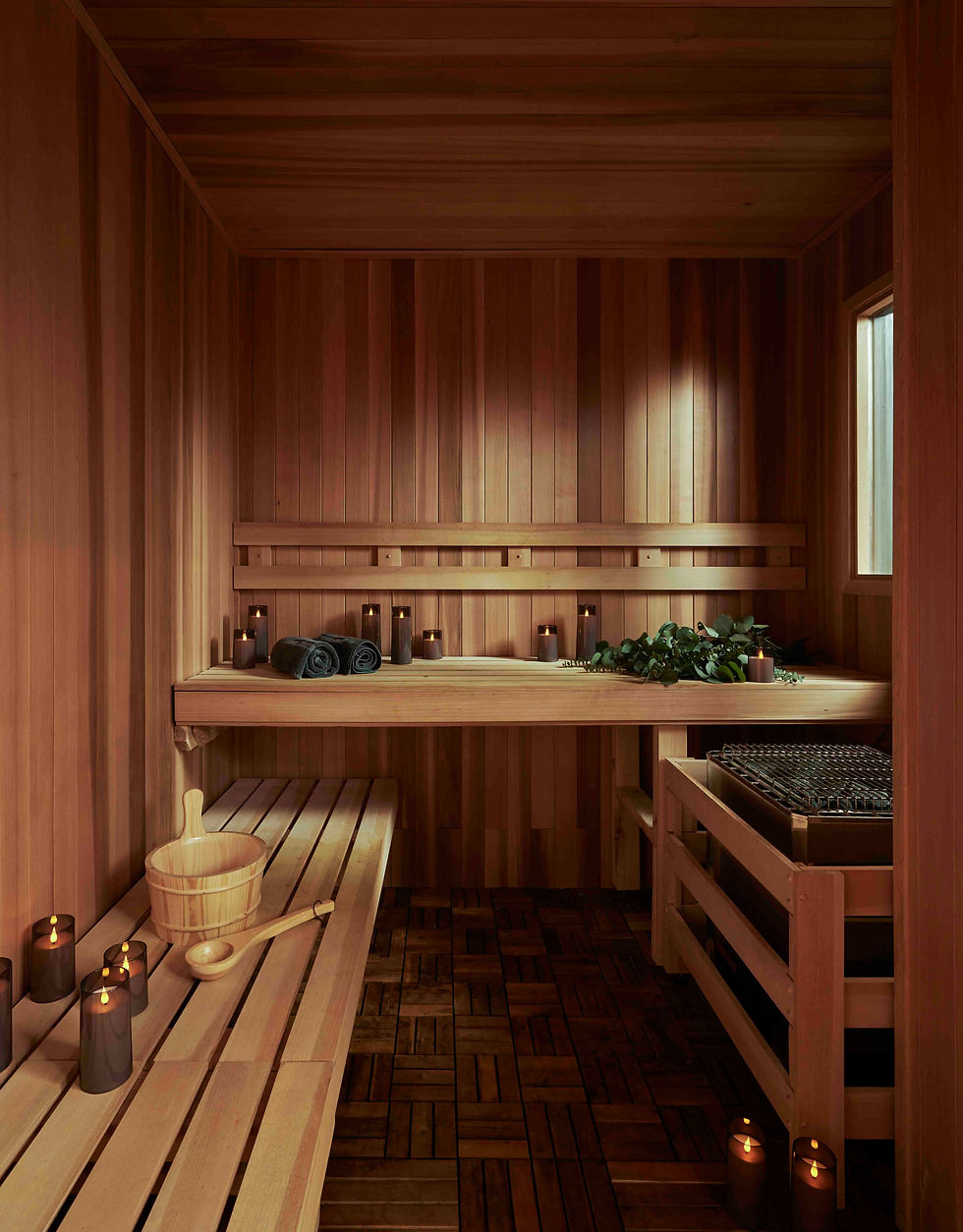
This workplace-integrated private spa we designed in Chicago further blurs the boundaries between office, home, and leisure, offering employees a blend of residential comfort and luxury wellness amenities.
That’s where layering comes in. Subtle shifts in lighting, changes in material, different zones within a space—these elements create depth and give people a reason to keep exploring. It’s also where materiality becomes so powerful. A mix of textures—something soft next to something more raw or reflective—adds richness and makes a space feel more human.
And none of it works without functionality. It doesn’t matter how beautiful a space is if it doesn’t perform. We’re always balancing the experiential side of design with the operational side—how people move, how long they stay, how the space supports the business behind it. The best projects are the ones where those two things are completely aligned.
Designing showrooms opens the door to out-of-the-box thinking when it comes to hospitality. The key is positioning the product in a way that highlights its quality and functionality, while still creating an atmosphere-first experience.
Looking ahead, what’s most exciting about hospitality design is that there really aren’t rules anymore. The boundaries between industries are continuing to blur, which creates more opportunity to do something unexpected. But with that freedom comes a challenge: authenticity.
People can tell when a space is trying too hard or chasing a trend. The projects that resonate are the ones that feel genuine—spaces that are rooted in a clear identity and designed with intention from the start.
For brands that don’t traditionally think of themselves as “hospitality”—think retail spaces, offices, or residential—that’s the biggest takeaway. Hospitality isn’t a bonus feature. It’s how you connect with people. It’s how you create environments where employees want to stay, where customers want to linger, and where experiences feel meaningful.
And when you get it right, it becomes more than just good design. It becomes a reason people come back.


Interessante approfondimento su come il design stia evolvendo nell’ambito dell’hospitality moderna. Oggi non si tratta più solo di estetica degli spazi, ma di creare vere e proprie esperienze immersive per gli ospiti, dove ogni dettaglio – dalla luce ai materiali fino al percorso del cliente – contribuisce alla percezione complessiva del brand.
Mi colpisce soprattutto l’approccio sempre più strategico del design, che unisce creatività e funzionalità per migliorare sia il comfort che l’efficienza operativa delle strutture. A proposito di progettazione e soluzioni creative nel settore, ho trovato interessante anche verde casino come esempio di come il mondo digitale stia integrando esperienze e servizi in contesti molto diversi.
In generale, il futuro dell’hospitality sembra andare sempre più verso ambienti personalizzati e narrativi,…
amico appassionato di fotografia mi ha suggerito https://rebet-24.it/ la sera in cui una scheda di memoria difettosa aveva reso illeggibili gli scatti di un intero pomeriggio di lavoro all'aria aperta. Nonostante la delusione cocente, sapevo che rimuginare a mezzanotte non avrebbe recuperato i file, ma l'agitazione mi impediva comunque di riposare. Alle 3:30 ho aperto il link sul tablet a bassa luminosità. L'ambiente lineare e la fluidità della navigazione hanno funzionato come un ottimo decompressore per i miei nervi tesi, aiutandomi a ridimensionare il problema e a ritrovare la calma necessaria per dormire.
Interessante approfondimento su come il design stia evolvendo nell’ambito dell’hospitality moderna. Oggi non si tratta più solo di estetica degli spazi, ma di creare vere e proprie esperienze immersive per gli ospiti, dove ogni dettaglio – dalla luce ai materiali fino al percorso del cliente – contribuisce alla percezione complessiva del brand.
Mi colpisce soprattutto l’approccio sempre più strategico del design, che unisce creatività e funzionalità per migliorare sia il comfort che l’efficienza operativa delle strutture. A proposito di progettazione e soluzioni creative nel settore, ho trovato interessante anche https://terrybet-it.it.com/ come esempio di come il mondo digitale stia integrando esperienze e servizi in contesti molto diversi.
In generale, il futuro dell’hospitality sembra andare sempre più verso ambienti personalizzati e narrativi, capaci…
Ciao forum, io sono arrivato a questo sito dopo aver visto un commento sotto un video dedicato alla salute maschile dove alcuni utenti parlavano dei diversi prodotti Vidalista. Uno di loro aveva inserito https://vidalista.to/disfunzione-erettile/vidalista/ tadalafil 60 mg vidalista dicendo che le informazioni sui dosaggi erano spiegate meglio rispetto ad altri siti italiani. Per curiosità ho aperto la pagina e sinceramente non sembrava il classico sito pieno di slogan o frasi strane. Mi ha interessato soprattutto il modo diretto con cui venivano descritte le varie opzioni disponibili e le differenze tra i prodotti. In Italia spesso si leggono articoli troppo brevi o tradotti male, invece qui il contenuto era abbastanza chiaro e scritto in modo tranquillo.